The Card That Makes You Flinch Is the One Holding Your Superpower
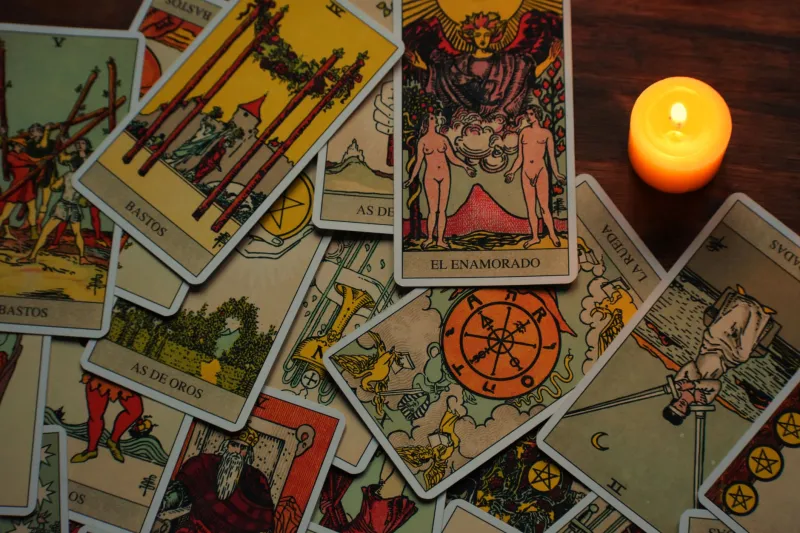
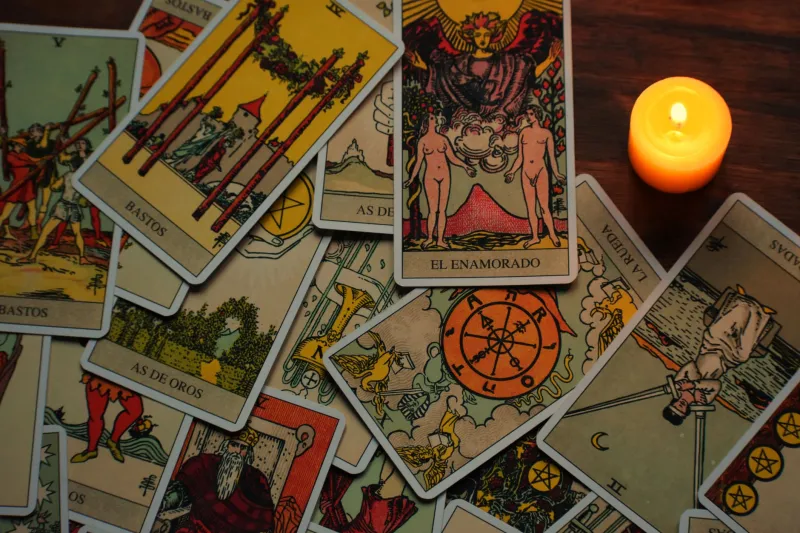
We've all been there. You're sitting with your deck, candle lit, vibes immaculate — and then that card slides out of the shuffle. Maybe it's the Tower. Maybe it's the Ten of Swords. Maybe it's Death, and even though you know better, your stomach still drops a little.
Here's the thing nobody talks about enough: the card you dread most is almost never random. The universe isn't trolling you. It's pointing a very deliberate finger at the exact place where your greatest, most untapped power is sitting — dusty and waiting.
Why We Fear Certain Cards in the First Place
Fear in a tarot reading is information. When a card lands and your first instinct is to flip it back over, push it aside, or immediately Google "does the Tower always mean disaster" (it doesn't, by the way), that reaction is worth paying attention to.
Psychologically speaking, we tend to resist what we haven't yet integrated. The cards that make us flinch usually represent energies, qualities, or life experiences we've either been avoiding or haven't fully claimed as our own. They hit a nerve because they're accurate — not because they're threatening.
Think about it this way: if someone shows you a mirror and you recoil, the mirror isn't the problem. The cards work the same way.
The Tower: Chaos as a Clearing Crew
Few cards get as bad a reputation as the Tower. That lightning bolt, the crumbling walls, the figures mid-fall — it looks like pure catastrophe. And yeah, the Tower often shows up around disruption. But here's the reframe that changes everything: the Tower only demolishes what was never built to last.
If you consistently dread the Tower, it might be because you've been over-investing in structures — relationships, jobs, belief systems, routines — that aren't actually serving you. The Tower showing up repeatedly in your readings could mean you have an extraordinary capacity for reinvention that you keep suppressing out of fear of change.
People who've learned to work with Tower energy rather than against it tend to be the ones who bounce back from setbacks faster than anyone around them. They're resilient in a way that looks almost supernatural from the outside. That's your potential hiding inside the card you've been avoiding.
Death: The Master of Letting Go
The Death card is probably the most misunderstood card in the entire tarot deck, and the fear around it is almost entirely cultural. In American pop culture, Death in a tarot reading gets treated like a jump scare. In reality, it's one of the most spiritually sophisticated cards in the Major Arcana.
Death represents transformation through release — the kind of deep, complete endings that make room for something genuinely new. If this card keeps showing up and keeps making you uncomfortable, ask yourself honestly: how good are you at letting go? Of grudges, of outdated identities, of situations that stopped working two years ago?
The people who have truly integrated Death card energy are the ones who walk away from things cleanly. They don't linger in situations past their expiration date. They shed old versions of themselves with intention rather than clinging until life forces the change. That's a power, not a curse.
The Five of Cups: The Gift Buried in Grief
Not every dread card is from the Major Arcana. The Five of Cups — the figure standing over spilled cups, back turned to the two that remain full — has a way of landing like a gut punch, especially if you've been through loss.
But the Five of Cups holds a specific kind of wisdom that only comes from having genuinely grieved something. People who are triggered by this card often have an enormous capacity for emotional depth and empathy that they haven't fully owned yet. The discomfort isn't weakness — it's evidence of how much you're actually capable of feeling.
When you stop running from this card and start sitting with it, you often discover that your emotional intelligence is one of your most valuable assets. The ability to feel things deeply, process them honestly, and still turn around and see what's left standing? That's rare. That's yours.
The Ten of Swords: Rock Bottom as a Reset Button
Dramatic? Absolutely. The Ten of Swords, with its figure face-down and all ten swords planted in their back, is not exactly subtle. It's the tarot's way of saying: this particular chapter is done.
People who dread this card often have a pattern of holding on through situations that have already ended, just to avoid the finality of acknowledging the ending. The untapped power here is the ability to recognize a true ending when it arrives — and to accept it without needing it to look different than it does.
There's a reason the Ten of Swords is often followed by the Sun or the Ace of Cups in a reading. Once the rock bottom is acknowledged, the rebuild can actually begin. The people who've made peace with this card tend to have an almost eerie ability to start over — because they've stopped pretending that over isn't over.
How to Actually Work With Your Most-Feared Card
Once you've identified the card (or cards) that consistently make you uncomfortable, here's a simple practice to start shifting your relationship with it:
Pull it intentionally. Take the card out of your deck and place it face-up somewhere you'll see it daily for a week. Don't analyze it to death — just let it exist in your space.
Ask different questions. Instead of "what does this card mean," ask: "What quality in this card do I not yet trust in myself?" or "Where in my life am I avoiding the energy this card represents?"
Journal the resistance. Write about why the card bothers you. Be honest. The specifics of your discomfort are usually a treasure map.
Look for the gift in the archetype. Every "difficult" card has a mastery level. The Tower at its highest is radical freedom. Death at its highest is graceful transformation. The Five of Cups at its highest is profound emotional wisdom. What does the mastery version of your feared card look like?
The Cards Don't Come to Scare You
The tarot has been a tool for self-reflection and spiritual guidance for centuries, and its most enduring lesson might be this: the cards that make us uncomfortable are the ones that know us best. They show up not to deliver bad news but to illuminate the exact territory where our growth is waiting.
Your most dreaded card isn't your enemy. It's the part of you that's been waiting the longest for permission to step forward.
Next time it flips over, take a breath before you groan. The universe is handing you something — and it's probably exactly what you've been asking for, just wrapped in packaging you didn't expect.