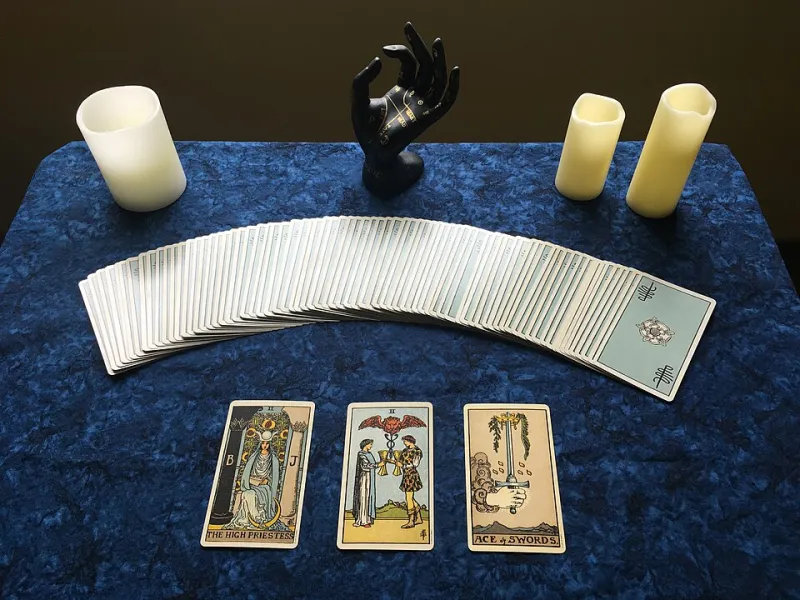
Pass the Gravy, Hold the Advice: A Three-Card Spread for Surviving Thanksgiving 2026
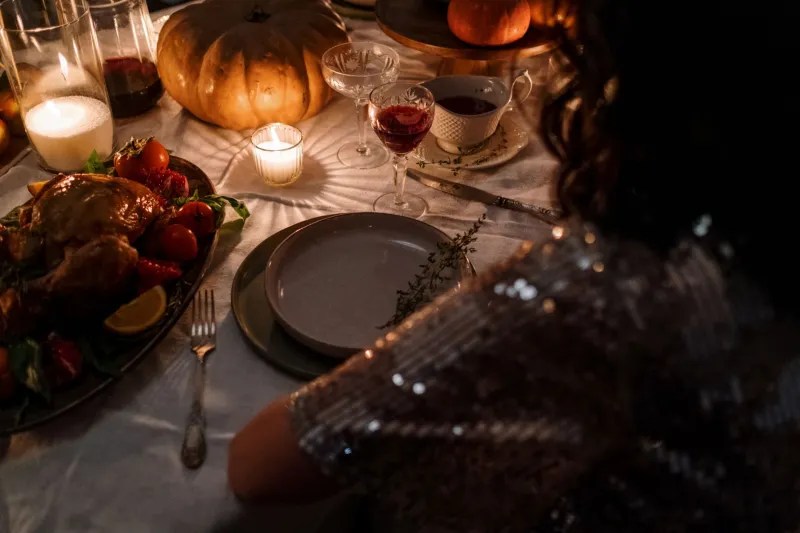
Thanksgiving is a holiday built on two things: gratitude and proximity. You can control one of them. The other involves sitting within arm's reach of an uncle with strong opinions about your career, a cousin who wants a status update on your love life, and an aunt who refills your glass like she is writing you a prescription.
You already know how the room feels. What you may not know is that tarot is genuinely good at the pre-game. Not as a party trick, not as a dramatic reading at the table while everyone watches (please, no), and definitely not as a way to manage other people's behavior. Think of it as a five-minute briefing before you walk into a house you cannot leave for four hours.
Thanksgiving 2026 falls on November 26, so you have a couple of weeks to actually practice this. Use them.
Why Three Cards and Not Ten
A full Celtic Cross before dinner is like running a 5K before a marathon. You will be exhausted and nobody will thank you.
Three cards is the sweet spot: enough structure to feel like a plan, few enough that you can hold all of it in your head while someone hands you a plate of green bean casserole. Draw in this order, ideally the night before or in the car in the driveway. Any deck you actually like and are not afraid to shuffle will outperform the fancy one in the box.
Card One: The Boundary You Need
This is not about building a wall. It is about knowing where your edge is so you stop finding out the hard way, mid-sentence, with your voice going up an octave.
Ask yourself quietly: where is my line this year? Then draw one card and read it by suit.
Swords mean the boundary is verbal — a sentence you need to practice saying until it sounds boring. Cups mean the boundary is emotional: the thing you are not going to absorb for anyone this year. Pentacles mean it is practical — time, money, labor, whose kitchen this actually is. Wands mean it is energetic: how much of yourself you are willing to spend before you go quiet.
Pull the Four of Pentacles and the message is to be visibly stingy. Do not fund the group gift you did not agree to. Do not volunteer your car. Do not inherit the dishwashing because you were standing nearest the sink. Pull the Nine of Swords and the boundary is about the 2 a.m. rehearsal loop in your head — name the fear out loud once, to a safe person, before it gets a microphone at dinner.
Court cards are worth reading literally here. A Page often means a younger relative is the one who needs the softer answer. A King or Queen can signal that the boundary is with an elder, which is the hardest kind to hold.
Card Two: The Landmine to Expect
Every family table has a topic that detonates the room. Your job is not to defuse it. Your job is to see the tripwire from a distance so you are not the person who steps on it while reaching for the rolls.
Ask: what is likely to go off this year? Then draw.
Ace energy of any suit means something new — a job change, a breakup, a move, a baby — is about to become the group's group project. Wands point to politics or a simmering rivalry. Cups point to old grief, old grudges, or someone drinking past the point where the conversation stays pleasant. Swords point to the interrogation: when are you graduating, when are you having kids, why are you still renting. Pentacles point to money talk, which is its own Thanksgiving tradition.
Reversed cards here are useful. They usually mean the landmine is quieter than you expect — an unspoken thing that leaks out sideways, in a comment about your haircut, rather than a full argument. Plan for the leak, not the explosion.
Whatever you draw, decide your one neutral sentence in advance. Something like: that is a bigger conversation than a Thursday can hold. Then let the silence do its job.
Card Three: The Graceful Exit
This is the card people skip, and it is the one that saves the night. Ask: how do I leave well?
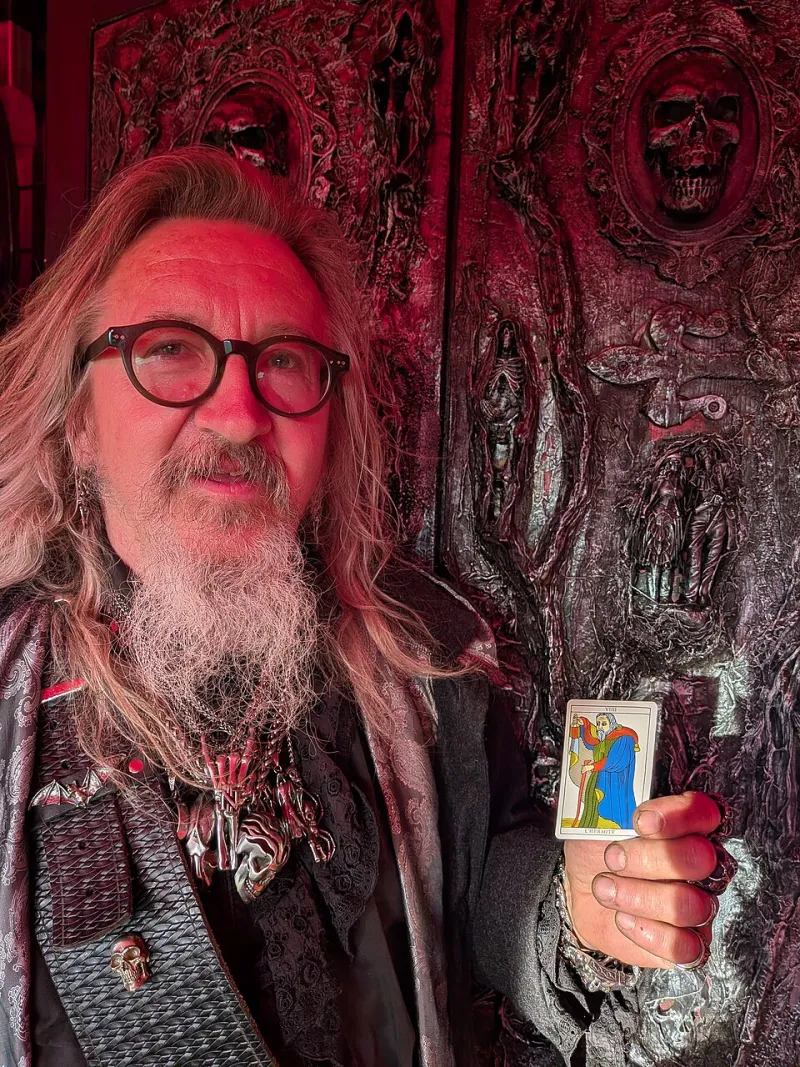
Eight of Cups is the classic — you just go. Nobody owes an explanation. Six of Swords says leave earlier and gentler than you think you need to, before the room gets heavy. The Hermit means the exit is a walk around the block, a kitchen errand, twenty minutes on the porch with the dog. The Chariot is the clean, planned departure with a legitimate excuse already in your pocket. Death shows up here more often than you would guess, and it rarely means anything dramatic — usually it means the evening genuinely ends, and you are allowed to let it.
Swords in this position suggest you will need words. Prepare three: I have an early thing tomorrow. Nobody has ever asked a follow-up question about an early thing.
The Five-Minute Pre-Game Script
In the car, before you walk in:
- Shuffle and breathe. Three slow breaths, longer on the exhale.
- Lay out your three cards left to right — boundary, landmine, exit.
- Say each one out loud in a single sentence. Out loud matters. It moves the card from a vibe to a plan.
- Take a photo of the spread. If the night goes sideways, excuse yourself to the bathroom and look at it. That counts as a ritual.
- Put the deck away before you go inside. This is a briefing, not a performance.
If You Draw a Card You Do Not Like
The Tower before Thanksgiving is not a prediction that dinner will end in tears. It is a warning that the plan you are carrying is a little too rigid for a room full of people with their own agendas. Loosen it. The Star and the Moon both show up around the holidays constantly, and both mean the same practical thing: your intuition is louder than your anxiety, but only if you stop refreshing both.
And if you pull the same card in two different positions, that is your real headline. The deck is repeating itself because you are not listening yet.
One last note: this spread is for you. Do not read it at anyone, about anyone, in front of anyone. Thanksgiving has enough rituals. Yours gets to be quiet, short, and entirely in your own corner.